Landscaping can improve the appearance and usability of outdoor spaces by bringing together plants, lawns, garden beds, and hardscape features. Whether refreshing an existing yard or planning a more extensive transformation, homeowners can make decisions that reflect their preferences, available space, and maintenance needs. A well-planned landscape considers both visual appeal and how different areas will be used.
1. Beautiful Landscape Design
Select Plants With Purpose
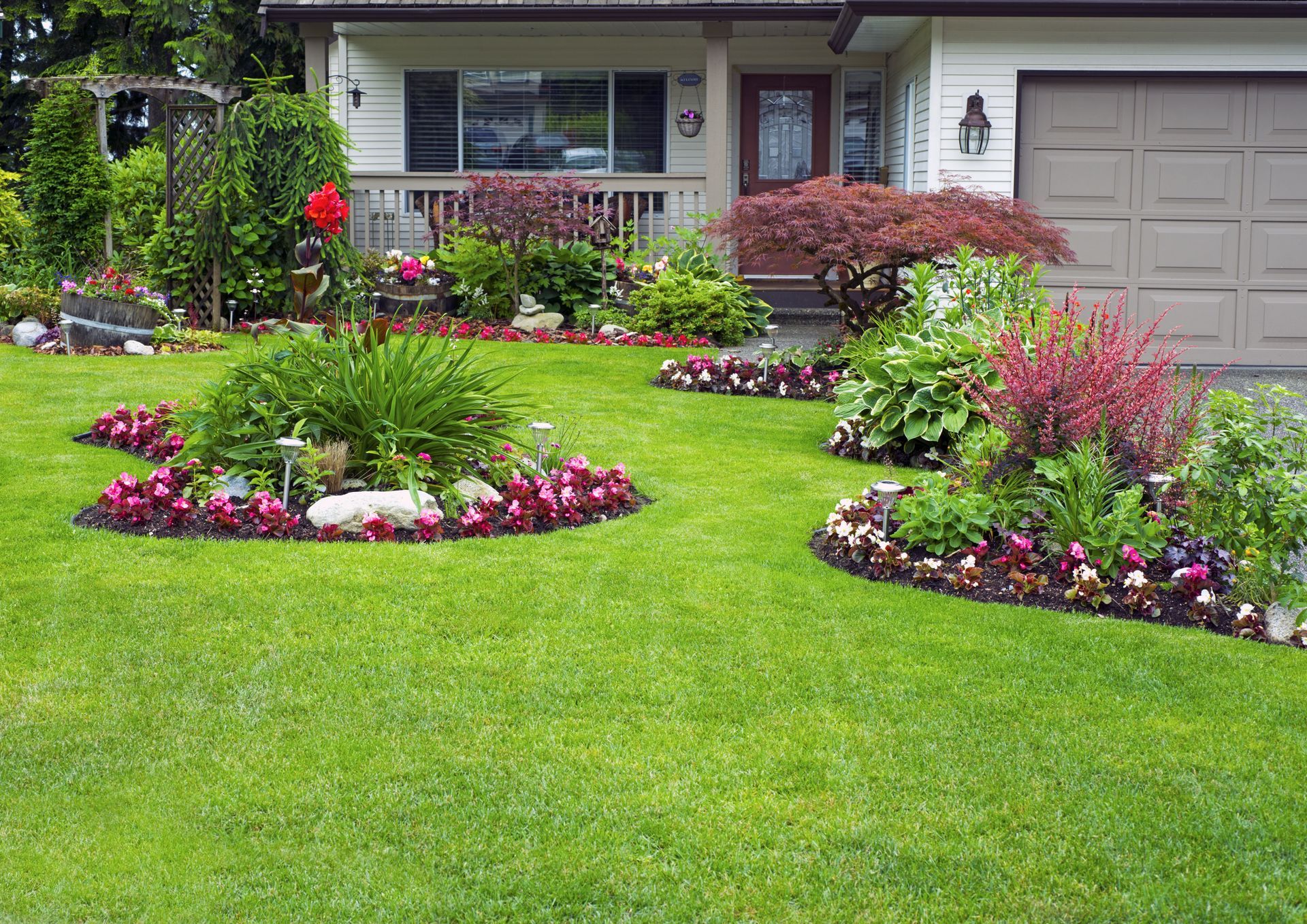
Plant selection plays an important role in the appearance of a landscape. Flowers, shrubs, trees, and ornamental grasses can introduce different colors, textures, and heights, creating visual interest throughout a garden. Selecting plants with complementary growth habits and seasonal characteristics helps establish a cohesive design.
When choosing plants, consider their mature size, sunlight requirements, and water needs. Combining different plant types can add depth to garden beds, while strategically placed shrubs and trees can help define outdoor areas. Seasonal flowers can introduce additional color, and thoughtful arrangements can complement the architecture and existing features of a property.
Native plants and varieties suited to local growing conditions are also worth considering. Their suitability depends on the property's environment and the needs of individual species. By accounting for these factors, homeowners can develop planting plans that balance appearance with practical maintenance requirements.
Apply Basic Design Principles
Balance, contrast, and harmony can help create a unified landscape. Balance considers how visual elements are distributed throughout a space, while contrast introduces differences in color or texture. Harmony brings these elements together so the overall design feels intentional rather than disconnected.
Symmetrical arrangements can create a formal appearance, while asymmetrical designs offer a more relaxed approach. Neither is inherently better; the appropriate choice depends on the property's layout and the homeowner's preferences. Color also contributes to the overall effect, allowing plantings and other outdoor features to complement one another.
Effective landscape planning considers more than individual plants or decorative elements. The arrangement of garden beds, lawn areas, walkways, and patios should work together to create an outdoor environment that suits the property and its intended use. Landscape installation can bring these planned elements together in a cohesive arrangement.
2. Practical Outdoor Improvements
Choose Practical Hardscaping
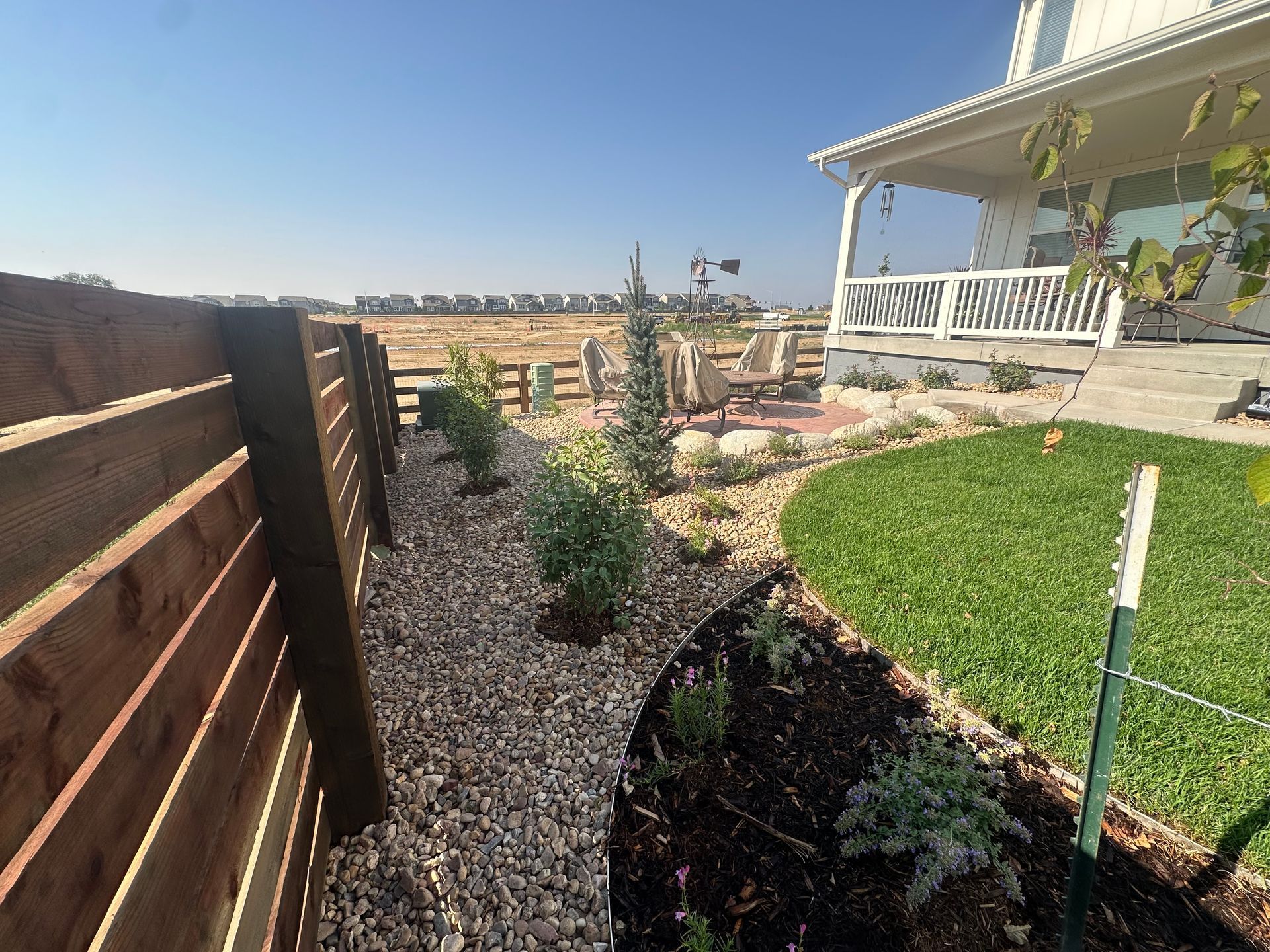
Hardscaping adds structure and usable features to outdoor spaces. Patios, stone walkways, retaining walls, decks, and landscape edging can complement lawns and garden beds while helping define different areas of a property. These features can also support the intended layout of an outdoor space.
When planning a hardscape project, consider the available space, the intended use, and how the new feature will fit into the existing landscape. Patios can provide areas for relaxing or gathering, while walkways connect different parts of the yard. Retaining walls can introduce structure to sloped areas, and edging can help distinguish planting beds from surrounding surfaces.
Fire pits and outdoor kitchens are additional outdoor living features described in landscape design content. The suitability of any feature depends on the property and the scope of the project. Coordinating hardscaping with plant selection and the overall layout helps create a consistent outdoor design.
Develop Outdoor Living Areas
Outdoor living spaces can make a yard more practical by creating areas for relaxation, gatherings, and everyday use. Patios and stone walkways can connect different parts of the property, while garden beds and carefully selected plants help define the surrounding space. According to Business Wire, 77% of Americans spend time in their yard at least once per week, with 32% spending multiple days relaxing in their yard.
When planning an outdoor living area, consider how it will connect with the house, existing landscaping, and other outdoor features. Patios, fire pits, and outdoor kitchens can be incorporated into a landscape design when appropriate for the property and project scope. Landscape installation can help bring the selected elements together according to the planned layout.
Select Plants for Local Conditions
Native plants can be considered when planning a landscape suited to Colorado's growing conditions. Selecting plants with appropriate water and sunlight needs can help homeowners develop garden beds that fit the property and its maintenance requirements. Landscape installation plans should account for these needs before plants are placed.
When choosing plants, consider mature size, seasonal appearance, growing conditions, and how each selection will complement nearby trees, shrubs, lawns, and hardscape features. Native grasses and perennial flowers can contribute texture and seasonal color, while shrubs and trees can provide additional structure. The suitability of each selection depends on the individual plant and its growing environment.
A landscape plan should account for individual plant needs and the overall design of the outdoor space. Native plant selection can be incorporated into broader garden design and water-conscious landscaping plans. These choices can help create an outdoor environment that reflects the property's conditions and maintenance needs.
Define Functional Garden Areas
Dividing a garden into distinct areas can make an outdoor space easier to navigate and use. Planting beds, lawn areas, patios, and walkways can each serve a different purpose while contributing to the overall design. A planned landscape installation can help establish these areas in a coordinated way.
When planning these areas, consider how people will move between them and how the layout will work with the property's existing features. Plant placement, edging, and hardscaping can help define boundaries without making the landscape feel disconnected. The arrangement should also reflect how homeowners expect to use the yard.
A cohesive layout balances the intended use of each area with the appearance and maintenance needs of the overall landscape. Even modest changes to the arrangement of existing features can help a yard better reflect the homeowner's priorities. Planning these elements together can support a more organized outdoor space.
Plan Pathways and Edging
Pathways and landscape edging can help organize outdoor spaces and establish clear connections between different areas of a property. Stone walkways provide defined routes through a landscape, while edging can separate planting beds from lawns and other surfaces. These features can also complement landscape installation projects by connecting individual parts of the design.
When planning a pathway, consider its intended route, the surrounding plants, and how it will fit into the existing landscape. Walkways should complement the overall layout and provide practical connections between features such as garden beds, patios, and lawn areas. The choice of materials should suit the property's layout and the planned use of each area.
Careful planning can help integrate these features with the rest of the property. Stone walkways, patios, and landscape edging are useful elements to consider when coordinating hardscape improvements with the surrounding landscape. Their placement should contribute to the function and appearance of the outdoor space.
3. Consistent Landscape Maintenance
Maintaining an outdoor space involves more than keeping it visually appealing. Regular lawn care, seasonal cleanup, plant maintenance, and irrigation upkeep help address the changing needs of a landscape. The appropriate routine depends on the property's features, plant selection, and growing conditions.
Lawn mowing, fertilization, aeration, weed control, and pruning can help maintain lawns and planted areas. Irrigation maintenance also plays a role in managing water use and caring for landscape plantings. Seasonal sprinkler activation and winterization address the different demands of warmer and colder weather.
Hardscape features and garden beds should also be considered as part of the overall maintenance plan. Keeping pathways clear, addressing drainage concerns, and maintaining landscape edging can help outdoor areas remain organized and functional. A consistent approach allows homeowners to address routine needs while identifying areas that may benefit from additional improvements.
Homeowners planning landscape improvements or ongoing lawn care can turn to Ward's Lawn Service Inc. for residential landscaping services in Longmont, Colorado, and surrounding Northern Front Range communities. To explore options for landscape design, maintenance, planting, hardscaping, irrigation, or seasonal cleanup, learn more about the services available for your property. The team can help homeowners consider services that align with their outdoor goals and property needs.