By Dave Ward
November 16, 2026
Property upgrades represent a substantial financial commitment, but selecting the right outdoor enhancements can yield remarkable financial and environmental dividends over time. Many property owners view exterior development merely as an aesthetic expense, yet thoughtful capital allocation can create measurable returns through lowered utility bills, reduced ongoing maintenance, and increased overall equity. When planned with precision, strategic outdoor improvements evolve into self-funding property assets that offset operational overhead while expanding functional living square footage.
Achieving a high return on investment requires analyzing lifecycle costs, resource efficiency, and local regional demands. A professionally executed landscape installation establishes the structural and biological framework necessary to maximize resource savings, minimize long-term plant failure, and elevate architectural character. By evaluating long-term resource reduction, material endurance, and site optimization, property stakeholders can identify specific engineering improvements that systematically generate recurring financial and practical value throughout their entire lifespan.
Installing Water-Efficient Irrigation Systems
Water management represents one of the most immediate avenues for recurring operational savings across any residential or commercial property. Traditional overhead spray systems lose enormous amounts of moisture to wind drift, evaporation, and surface runoff, inflating monthly utility expenses while contributing to soil erosion. By contrasting outdated spray networks with specialized subterranean drip lines and automated weather-based controllers, property managers can reduce outdoor water consumption by up to fifty percent. These targeted moisture delivery systems direct resources straight to the active root zones, mitigating disease pressure caused by saturated foliage and promoting robust root architecture. Integrating real-time weather stations and soil moisture sensors allows automated adjustments that respond dynamically to ambient rainfall, seasonal temperature swings, and evapotranspiration rates.
By preventing overwatering, these systems help maintain nutrient-rich soil, according to the National Association of Landscape Professionals, which notes how allowing grass clippings to remain on the lawn aids in returning nitrogen and nutrients to the soil. Efficient irrigation also plays a role in promoting healthy plant ecosystems, supporting biodiversity, and reducing fossil fuel use linked to water pumping and distribution. Beyond municipal supply savings, integrating cistern collection and subsurface drainage networks recaptures stormwater for ongoing property care, safeguarding local watersheds while providing buffer reserves against prolonged drought restrictions. The commercial and ecological viability of these advanced water distribution methods makes them a centerpiece for any major landscape installation seeking verifiable fiscal sustainability.
Selecting Native Plant Ecosystems
Biological choices dictate ongoing labor, fertilization, and resource expenditures across the life of an exterior living environment. Exotic ornamentals often struggle against indigenous climatic stressors, requiring intensive chemical treatments, frequent supplementary watering, and perpetual replacement cycles that escalate operating costs. Conversely, selecting native botanical varieties aligns exterior planting plans with local soil microbiology, seasonal temperature fluctuations, and natural precipitation patterns. Because regionally adapted perennials, shrubs, and canopy trees have evolved to withstand indigenous climatic pressures, they establish vigorous, resilient defenses against regional insect pests and pathogenic fungi without heavy inputs.
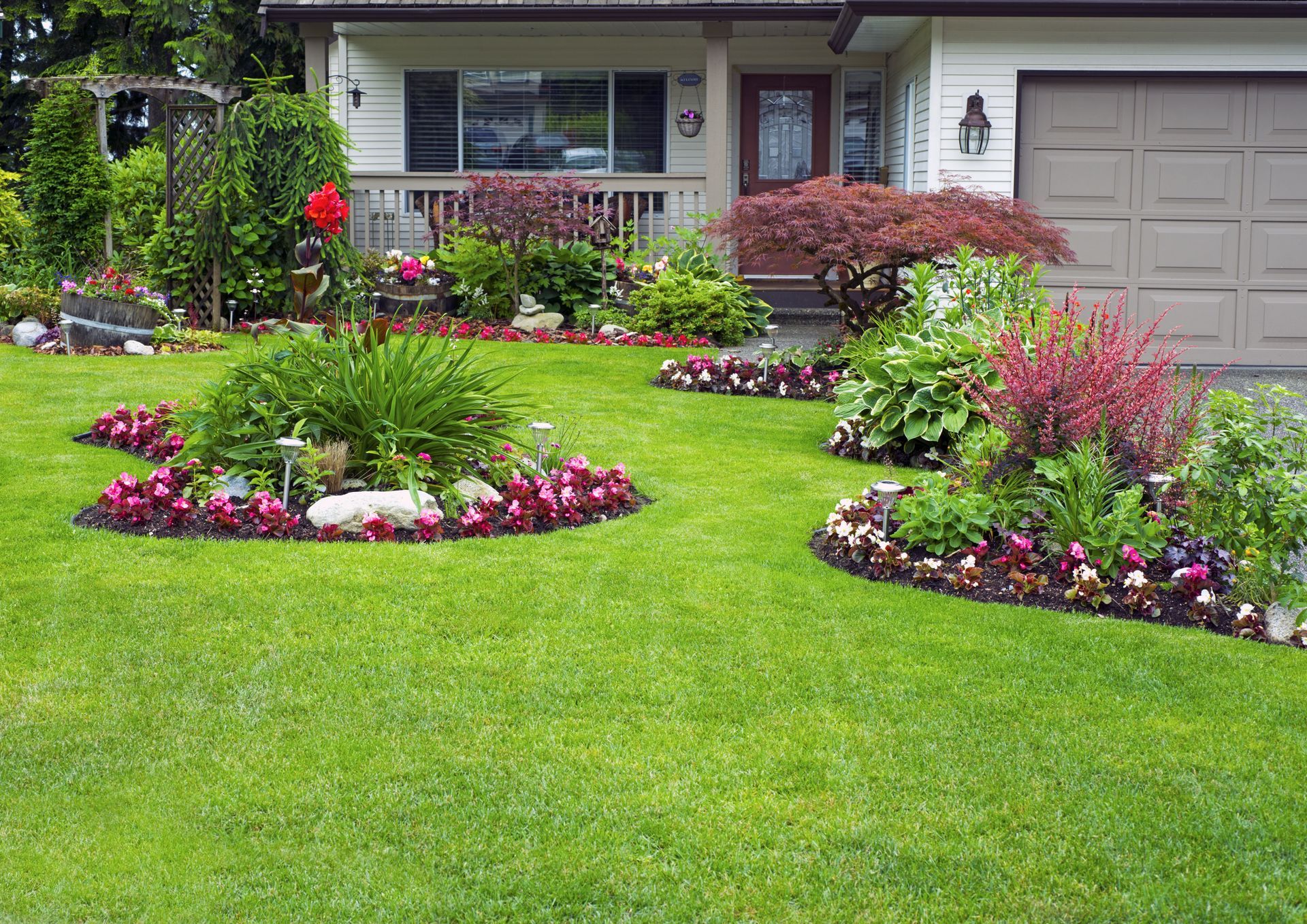
Decreased reliance on synthetic soil amendments, chemical pesticides, and artificial moisture translates directly into significant economic savings for property holders. The reduced maintenance schedule lowers seasonal labor costs, while deep root structures anchor topsoil to prevent costly structural washing along slopes and foundations. Concurrently, regional vegetation restores functional habitats for native pollinators, songbirds, and beneficial insects, elevating local biodiversity without demanding extraordinary groundskeeping efforts. Investing in regional flora within a landscape installation turns groundskeeping from a resource sink into a self-sustaining asset that flourishes under standard seasonal conditions.
Integrating Sustainable Lawn Alternatives
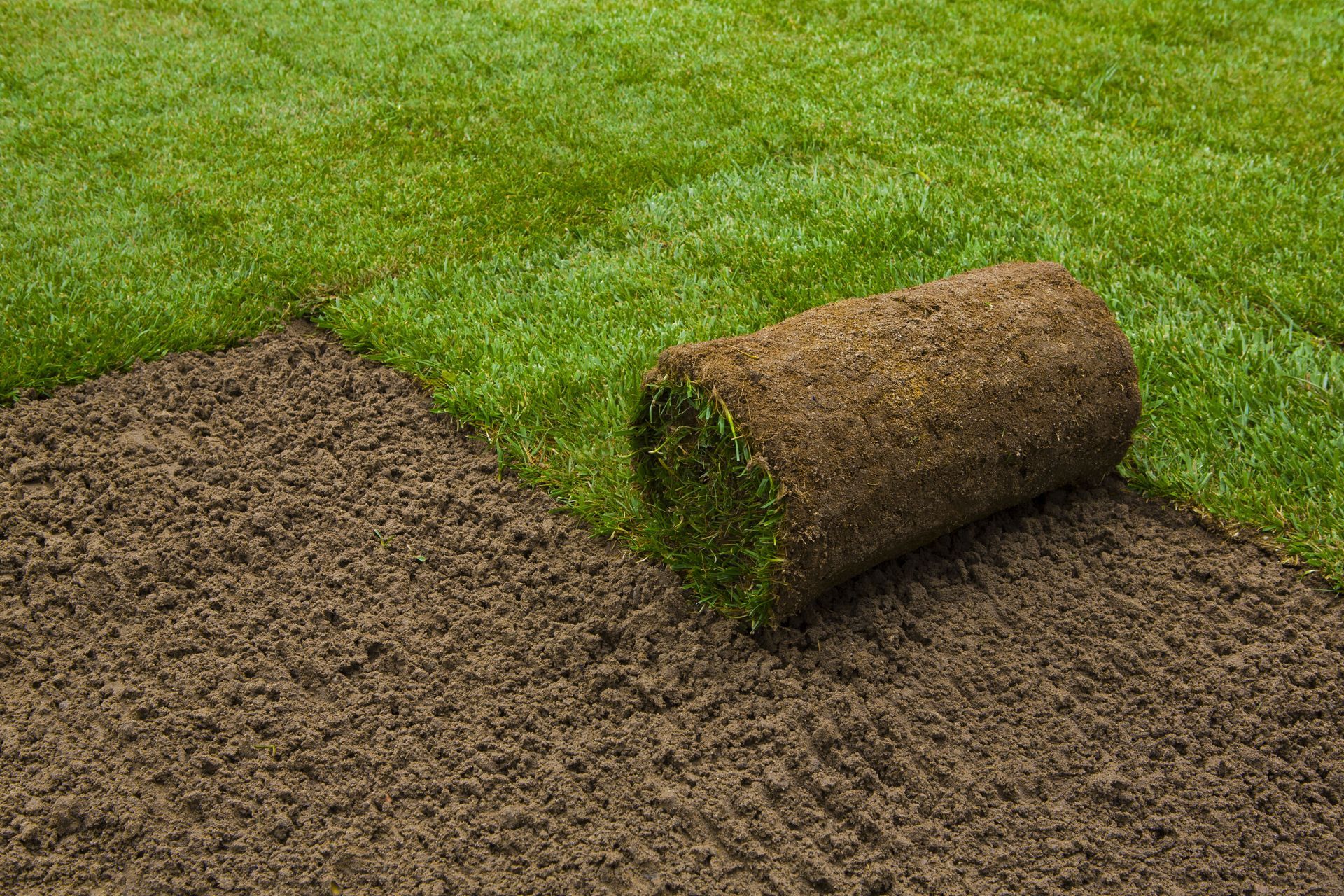
Traditional turfgrass lawns demand excessive inputs of fuel, labor, supplemental water, and synthetic fertilizers to preserve an artificial standard of uniform green space. Forward-thinking landscape strategies systematically displace resource-heavy turf with high-performance ground covers, xeriscaping methods, and specialized synthetic grass solutions. For spaces with intense foot traffic, commercial-grade synthetic turf provides pristine year-round usability without needing mowing crews, seasonal aeration, or weekly irrigation runs. In ornamental areas, low-growing ground covers such as creeping thyme, sedum, and native fescues form dense living blankets that shade out invasive weeds, retain subsurface soil moisture, and insulate vulnerable roots against high temperatures.
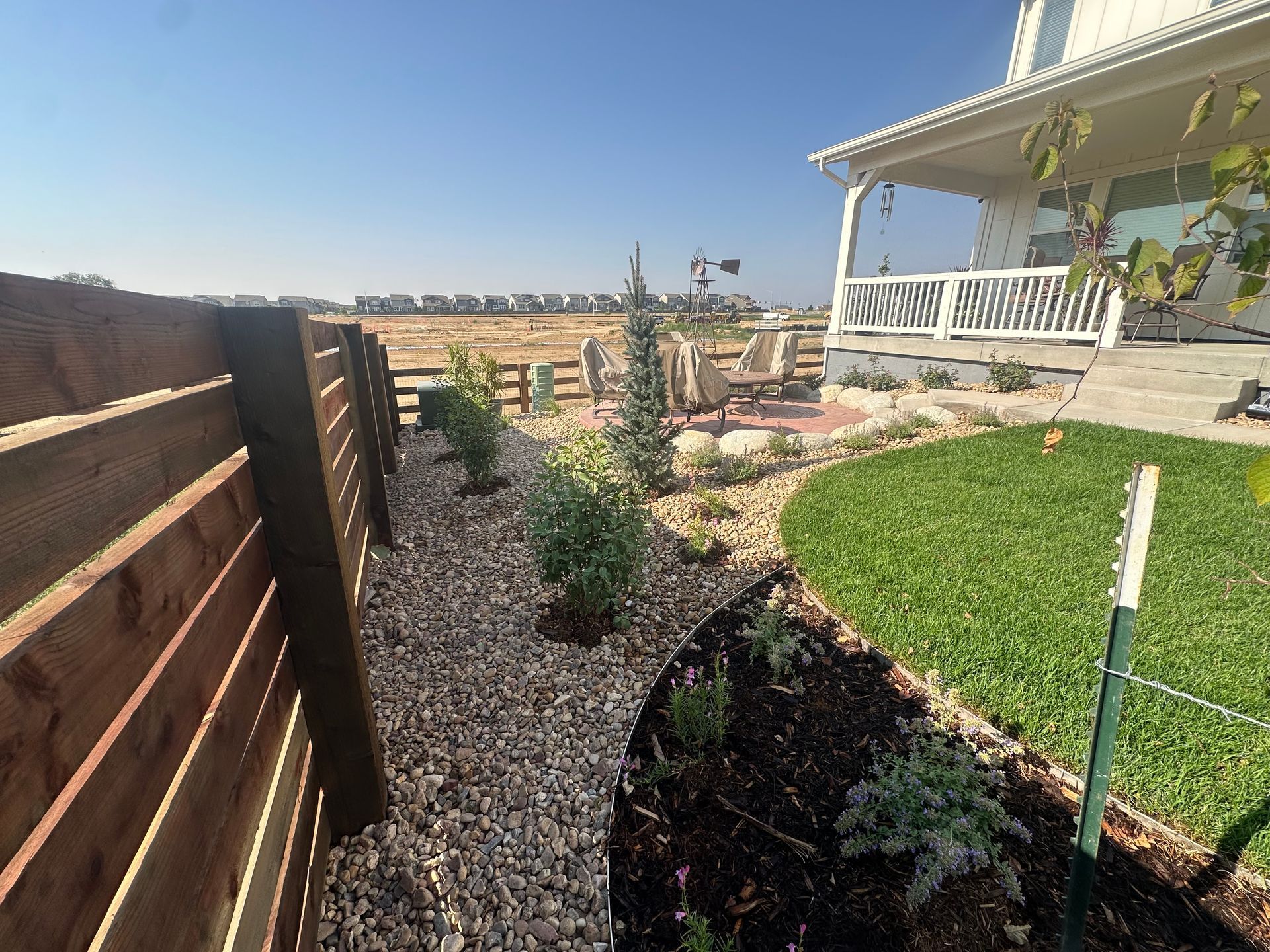
Implementing organic mulch matrices and decorative stone beds further stabilizes the local microclimate while reducing landscape management overhead. Natural mulching materials decompose gradually, infusing the earth with rich organic compounds that nurture beneficial soil organisms and eliminate the need for costly chemical interventions. Cohesive xeriscaping designs pair drought-hardy ground plantings with sculptural stone elements, completely removing irrigation demands across significant property acreage. Introducing these durable ground management practices during a landscape installation ensures that the ground plane remains visually captivating while cutting recurring maintenance and water fees.
Illuminating With Energy-Efficient Lighting
Exterior lighting architecture serves dual roles by reinforcing boundary protection and transforming evening usability into an extended lifestyle asset. Modernizing exterior fixtures with professional low-voltage LED networks lowers power usage dramatically compared to outdated halogen or incandescent fixtures. LEDs operate at cooler temperatures, produce superior lumens per watt, and deliver operating lifespans that run for tens of thousands of hours, eliminating the repetitive maintenance and bulb-replacement costs associated with historic exterior setups. Integrating architectural solar fixtures in outlying zones avoids costly trenching, conduit runs, and connection disruptions across established hard surfaces.
Incorporating automation via programmable controllers, astronomical clocks, and zoned motion sensors ensures lighting operates strictly when and where illumination is needed. These smart systems synchronize automatically with seasonal daylight variations, optimizing electricity consumption while deterring unwanted foot traffic around remote property perimeters. Strategic illumination elevates the nighttime presence of architectural stonework, mature trees, and garden paths, reducing liability hazards by brightly defining elevation changes and walking routes. Specifying advanced electrical architecture throughout a landscape installation safeguards property occupants while keeping electrical demands to a minimum.
Constructing Functional Hardscape Elements
Patios, structural retaining systems, pedestrian avenues, and outdoor cooking environments add tangible functionality while increasing overarching market value. Expanding usable square footage outdoors effectively matches the utility of interior home extensions at a fraction of the cost per square foot. High-grade materials such as structural concrete, natural flagstone, and manufactured composite decking withstand harsh weathering, demanding minimal resurfacing compared to conventional lumber additions. Structurally sound retaining walls stabilize challenging grades, convert unworkable slopes into level, productive terraces, and protect structural foundations from storm washouts and hydrostatic pressures.
Incorporating permeable interlocking pavers across driveways, walkways, and gathering plazas addresses property drainage challenges by allowing torrential rainwater to filter directly into the subterranean water table. This natural percolation relieves public stormwater networks, prevents surface pooling, and protects property surfaces against freeze-thaw buckling. Dedicated culinary spaces and stone seating alcoves enrich entertainment experiences, transforming open spaces into functional living areas that capture substantial buyer demand during resale appraisals. Engineering durable masonry elements into a landscape installation creates functional living zones that endure for decades without depreciating.
Investing in Long-Term Exterior Value
Prioritizing exterior features that deliver measurable returns transforms standard outdoor upgrades into enduring, high-performing financial assets. From smart irrigation controllers and regionally adapted plantings to sustainable ground covers, low-draw illumination networks, and structural masonry, every element can lower operational overhead while boosting equity. When structural components, biological assets, and electrical resources are engineered as an integrated system, properties experience lower water consumption, diminished labor demands, and superior environmental resilience across every season.
Navigating these technical engineering choices requires deep design insight, accurate soil evaluations, and flawless construction execution. Entrusting your upcoming
landscape installation to seasoned exterior design and building specialists ensures that each structural and horticultural element is optimized for durability, regulatory compliance, and immediate financial return. Take the decisive step toward maximizing the beauty, environmental harmony, and long-term equity of your real estate investment by contacting Ward's Lawn Service Inc today to schedule a comprehensive property consultation.